


About
I'm Kimaathi, a counsellor currently training in Transactional Analysis Psychotherapy, based in Manchester. My approach to therapy is grounded in the reality of human experience – messy, nonlinear, and inextricably linked to our environments.
I don't offer quick fixes or sterile, clinical interventions. Instead, I offer a collaborative space where we can untangle the threads of your history and how they weave into your present reality.
As a troubled teenager who got into trouble, I had to turn things around in a very real way. That experience, and what it took to do it, informs how I work with people facing change.
From the edit suite to the therapy room
My background is in film editing, where the work involves shaping raw material into something coherent and meaningful. Often this means returning to the same footage again and again, seeing it differently each time, and finding a narrative that feels true.
Therapy can be similar.
We come with experiences, memories and patterns that may feel fixed or overwhelming. In working together, we can begin to revisit these, understand them more fully, and gradually find different ways of making sense of your story – not by rewriting it, but by seeing it with greater clarity and choice.
Stockport, Jamaica, Manchester
Identity is rarely a simple, singular thing. My own roots stretch from the industrial streets of Stockport to the vibrant heritage of Jamaica, settling here in the diverse, complicated landscape of Manchester.
This dual heritage has given me an acute awareness of what it means to exist between cultures, to navigate differing expectations, and to figure out where we truly belong. It informs my practice profoundly, particularly with clients who don't quite ‘fit’ the boxes society provides.
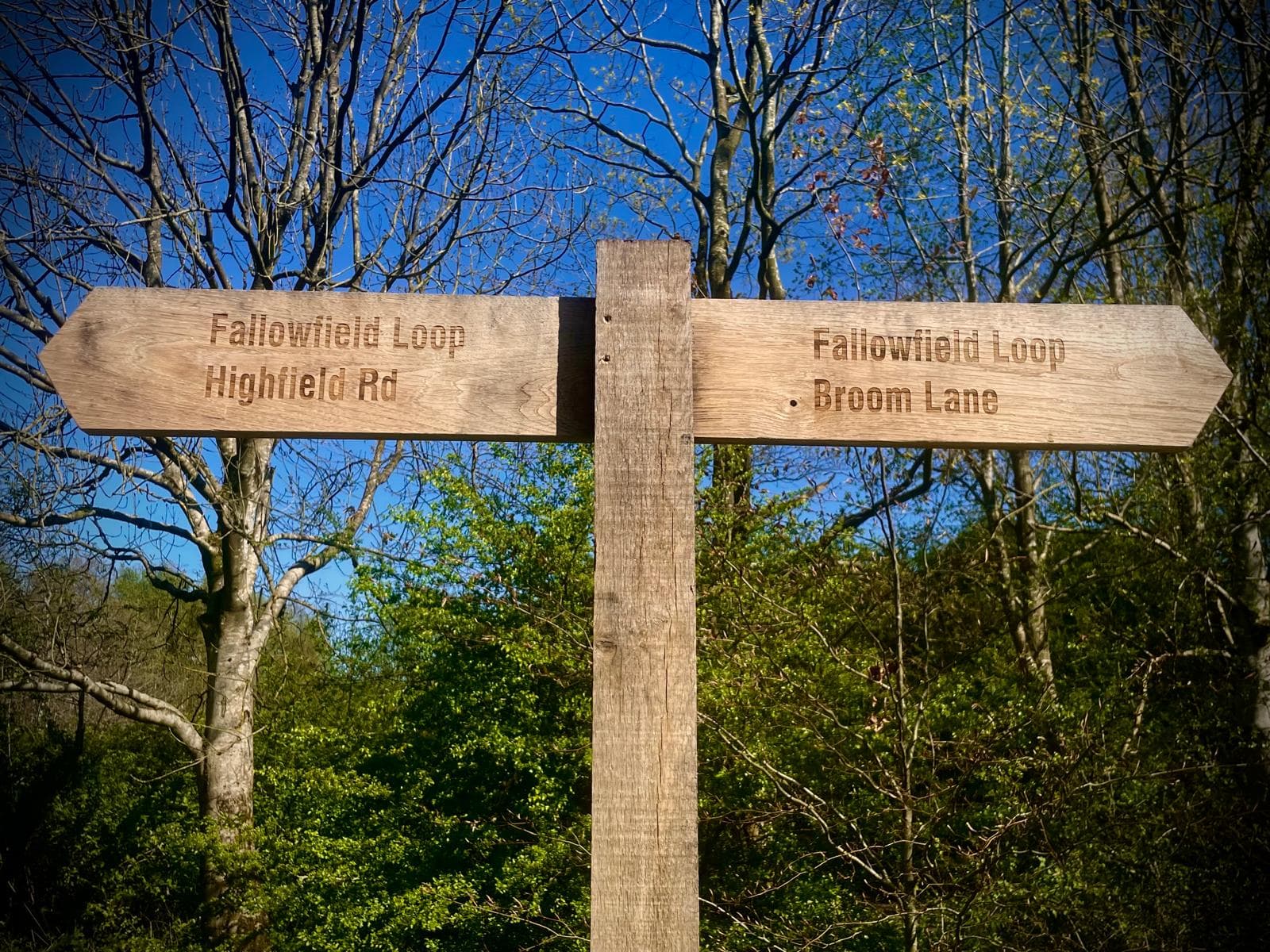
Transactional Analysis & Eco-Therapy
Transactional Analysis (TA) provides a clear, accessible framework for understanding how we relate to ourselves and others. We look at the ‘life scripts’ we operate from and the unconscious patterns that dictate our behaviour.
Eco-Therapy acknowledges that we are part of the natural world, not separate from it. Taking therapy outside the confines of four walls – walking side-by-side in nature – can profoundly shift the therapeutic dynamic, reducing the intensity of face-to-face work and grounding us in the present environment.